There's a widely-shared list of eleven Australian interior design studios you should be following. It's a good list. The studios are real, the work is excellent, and if you're building a mood board you could do far worse.
I counted the credit lines at the bottom of each entry.
Anson Smart photographed six of the eleven. Alexander &Co. Tamsin Johnson. Arent&Pyke. Flack Studio. Duet. And the header image at the top of the page, Troye Sivan's Melbourne apartment by Flack Studio.
The other five studios have five different photographers between them — Pablo Veiga, Prue Ruscoe, Sharyn Cairns, Cieran Murphy, Felix Forest, Steven Woodburn. One each.
So a list presented as eleven distinct visions is, visually, closer to six-plus-five. And nobody mentions it, including the list.
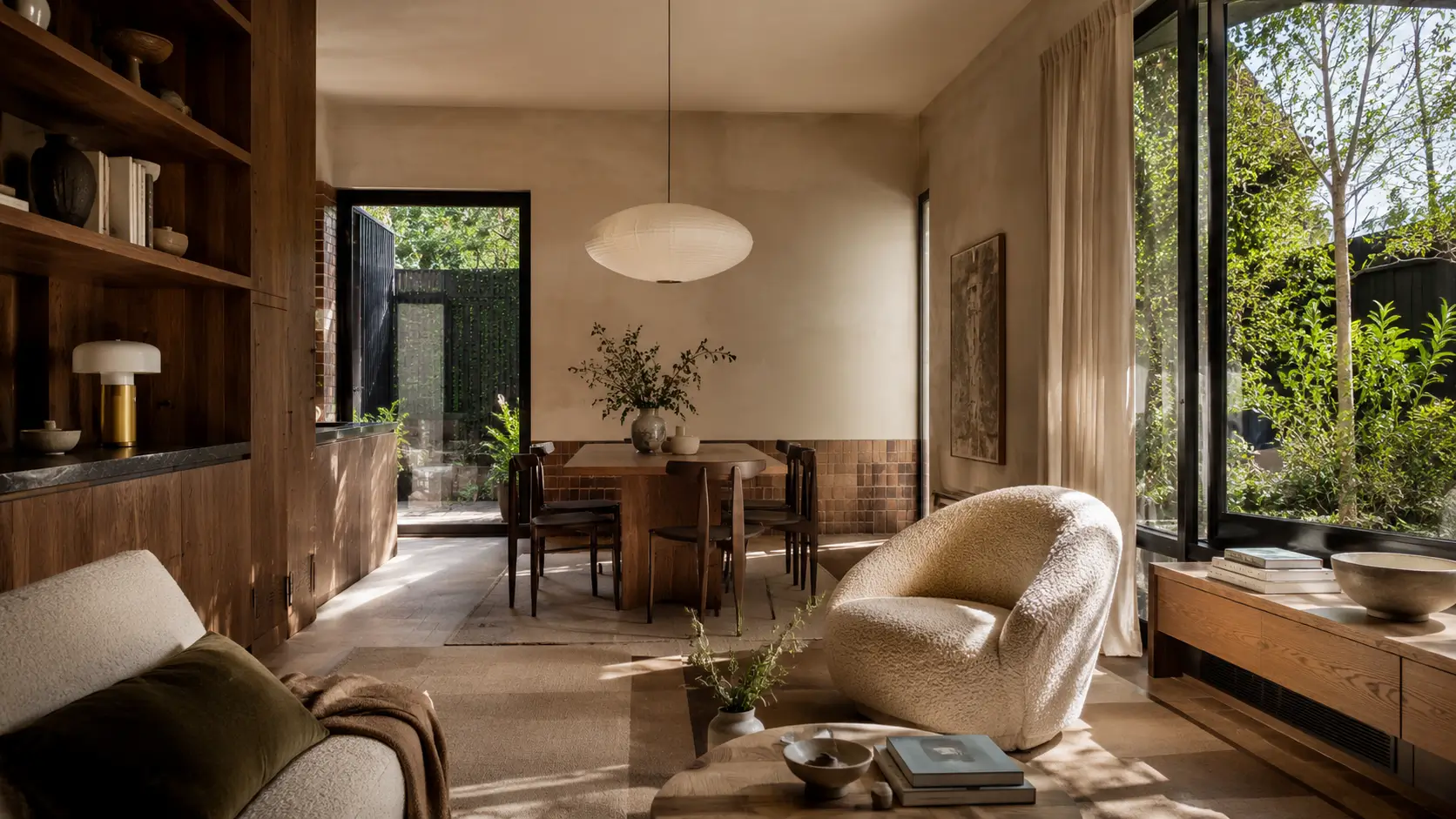
I went looking at the 2026 Australian Interior Design Awards to see whether the pattern held somewhere with actual judging behind it.
The Residential Decoration shortlist published by ArchitectureAu credits a photographer for each project. Of the fourteen listed, Anson Smart shot four: Arent&Pyke's Hawthorn House, Louise Walsh's Palmera, Madeleine Blanchfield's Sculpted, and YSG Studio's The Gentleman. No other photographer appeared more than twice.
Now, the honest caveat, because it matters. That's fourteen projects from a category that had far more entrants — the Residential Design category alone shortlisted 71 projects out of a record 226 across the whole program. Fourteen is what was visible in one article, not the full field. The pattern is suggestive, not proven.
But it lines up with what people in the industry already say out loud. One Sydney practice describes Smart's work — published in Vogue Living, Architectural Digest and The Local Project — as having "arguably helped define the modern Australian aesthetic — warm, textural, quietly luxurious." Note the hedge; it's theirs, and they work with him, so read it accordingly. Smart himself puts it more plainly: he's trying to capture how a space feels rather than just what's in it.
Here's where I have to be straight about the limits of what I found.
The concentration could mean one photographer's eye has shaped how Australian design looks to the rest of us — that we're seeing a house style as much as eleven house styles.
Or it could mean the best studios all hire the same excellent photographer, which is a completely different claim. Cause or effect. I cannot distinguish between those from the evidence available, and anyone who tells you confidently which one it is hasn't checked either.
What I'd say is this: if you're looking at these images to decide what you want your home to look like, it's worth knowing that a meaningful share of them were lit, framed and composed by one person. That's not a criticism of anyone. It's just useful to know what you're actually looking at.
It doesn't have a date on it.
You can work one out from the inside — it refers to YSG as an award winner "in 2023." And the Arent&Pyke project it showcases, Garden House, is genuinely beautiful. It also jointly won its award in 2021.
That's a five-year-old recommendation presented in the present tense, with nothing telling the reader so.
It's also worth knowing who's recommending. The list sits on the journal of a company that sells cabinet hardware. That doesn't make the picks wrong — hardware brands work with these studios constantly and know the landscape. But "we love how" is enthusiasm, not assessment, and the page never tells you which one it's offering.
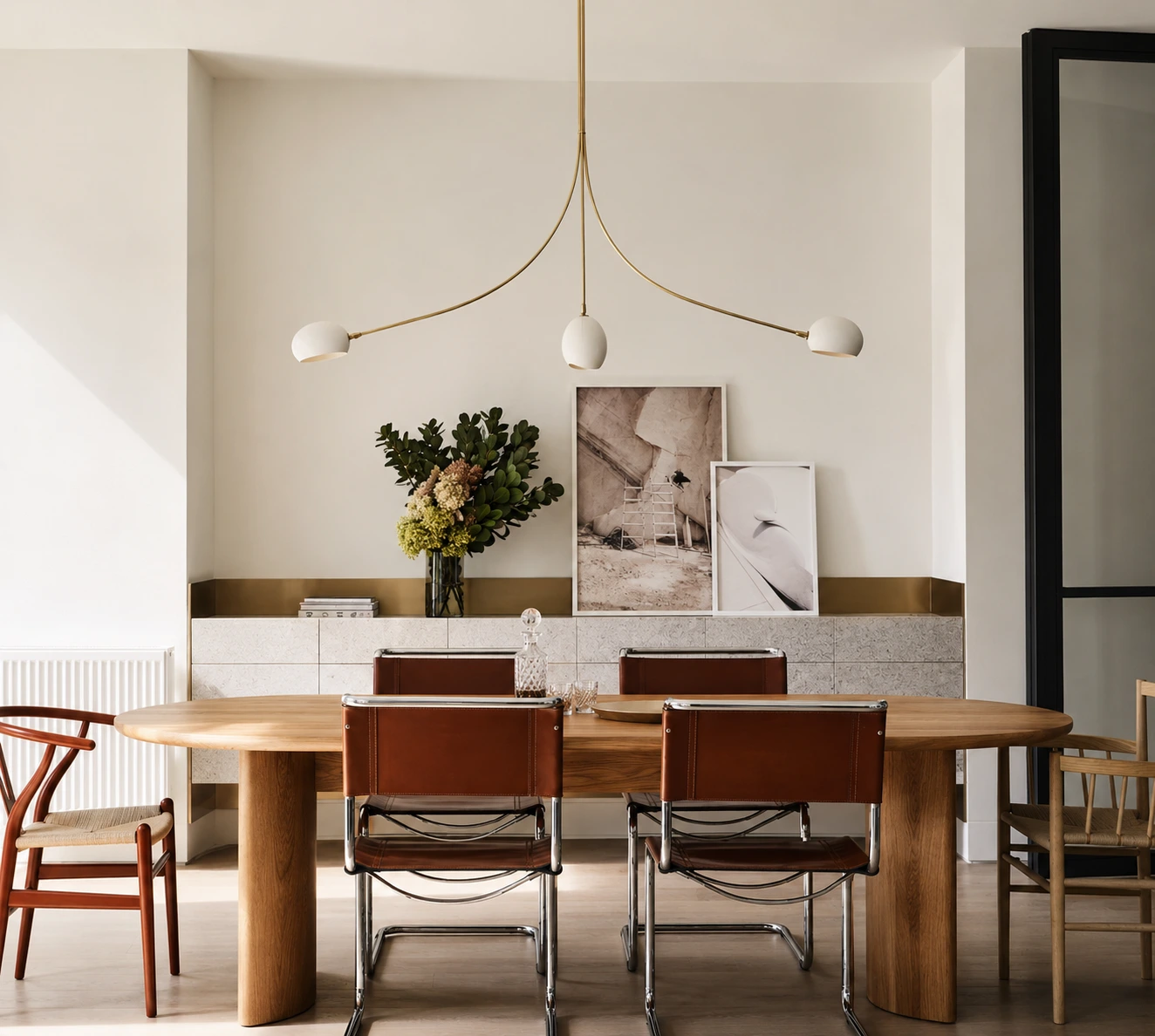
If you want to know who's actually doing the best work in Australia right now, there's a better source than any listicle, including this one.
The Australian Interior Design Awards ran their 23rd program in 2026. They're presented by the Design Institute of Australia and InteriorsAu, and — this is the part that matters — they're the only Australian program judged entirely by peers. Other designers assess the work.
The 2026 program had a record 226 projects shortlisted. The jury was convened by Maher Design's Geraldine Maher and included Mardi Doherty of Studio Doherty, Iva Foschia of IF Architecture, Kirsti Simpson of Woods Bagot and Brahman Perera. Winners were announced on 12 June at Sydney's Sofitel Wentworth. New South Wales led all states with 13 nominations.
Some of what came out of it:
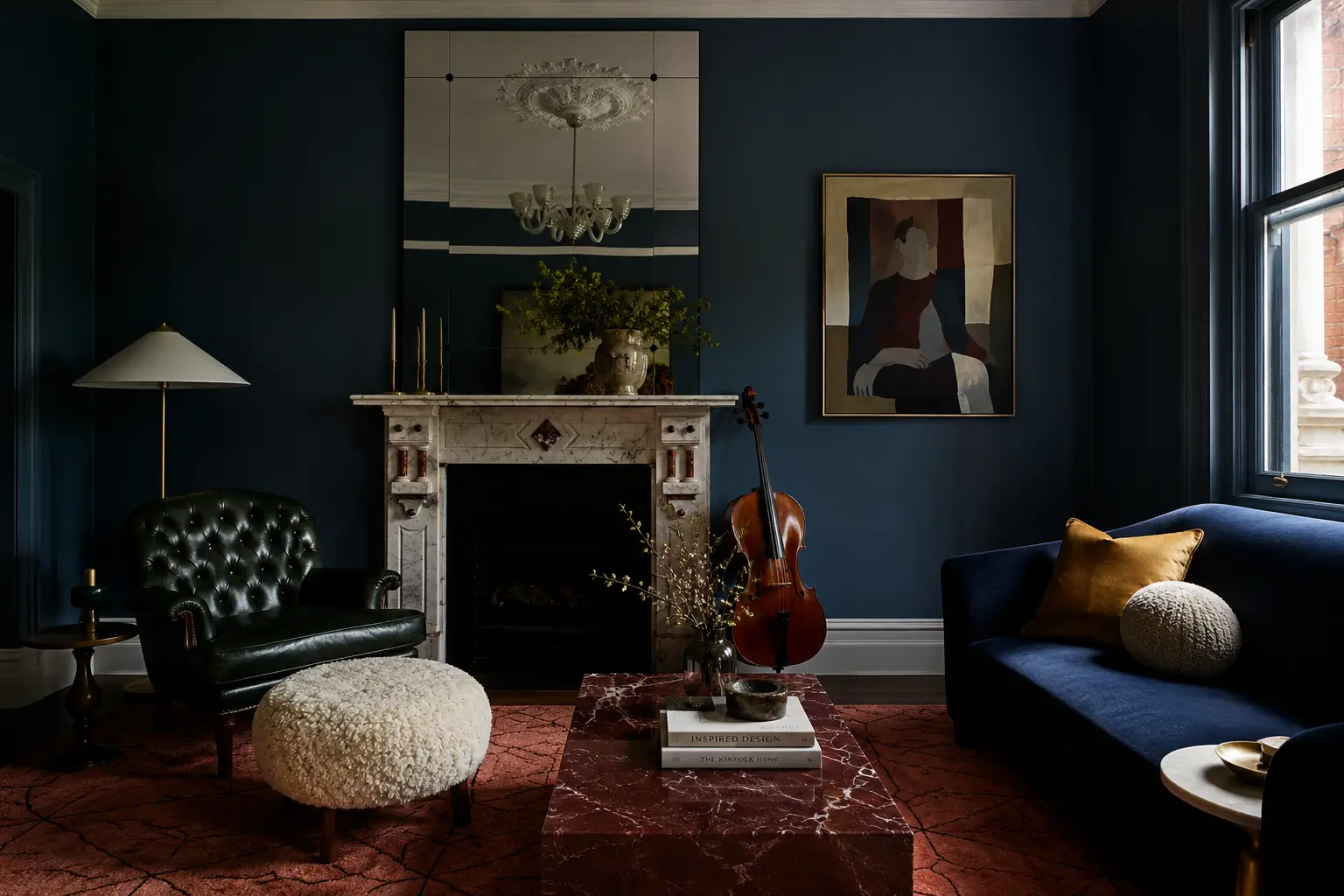
- YSG Studio won Residential Decoration for The Gentleman, a 95-square-metre apartment in a 1929 Art Deco building in Potts Point, designed for a couple whose Bosnian-Croatian heritage and love of classical music run through the rooms. The jury called it "a beautiful jewellery box of ideas." It was commended again in Residential Design, and the studio's Alémais project picked up a Workplace commendation. YSG was founded by Yasmine Ghoniem in 2020.
- Pattern Studio — Josh Cain and Lily Goodwin, practising since 2015 — won Retail Design for Deiji, a 35-square-metre Paddington boutique. Thirty-five square metres. The jury's interest was in how much they got out of it.
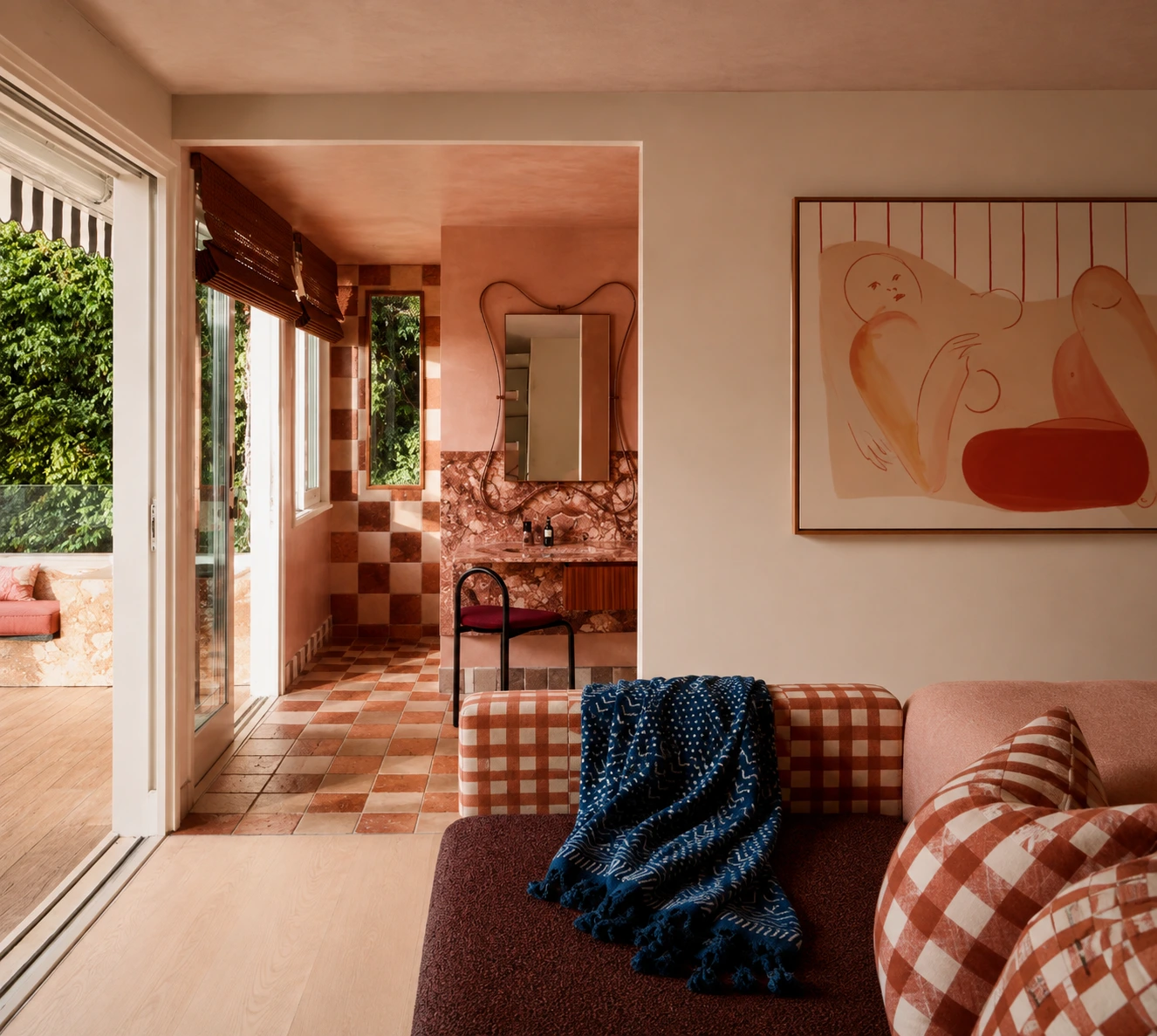
- Akin Atelier was commended for Life of Riley, and also had Club Rose Bay shortlisted.
- Flack Studio appeared for Scanlan Theodore's Canberra store and the Hannah St Hotel.
- Arent&Pyke were shortlisted for Hawthorn House.
Four of those five studios appear on the retailer's list too. So the list isn't wrong. It's just three years behind, and it can't tell you why.
- Check the date before you trust a list. If there isn't one, look for internal clues — a referenced award year, a project you can date. Five-year-old recommendations aren't useless, but you should know that's what they are.
- Read the credits, not just the images. If half a gallery shares a photographer, you're partly looking at a photographic style, not only a design one.
- Go to the peer-judged awards. The shortlists are public, current, and assessed by people who do the work.
- Separate inspiration from hiring. These lists are good for the first and near-useless for the second — none of them mention budget, availability, project type or region.
- Look at a studio's own site for unphotographed work. Process shots and in-progress images tell you more about how a practice actually operates than a finished hero image will.
My photographer counts are reproducible — count the credit lines on the retailer's page and on ArchitectureAu's shortlist and you'll get the same numbers. But the awards count covers a visible subset of a much larger field, so treat it as a pattern worth noticing rather than a measured distribution.
I couldn't verify the "11 awards in 2023" claim the retailer makes about YSG; their own awards page doesn't present it that way, so I've left it out and used the 2026 win instead.
I also didn't do any community research for this, which means the views of working designers — who have opinions about photographer selection, and would know whether this concentration is normal or notable — aren't represented. That's the biggest thing missing.
Multiple categories were awarded on 12 June 2026. YSG Studio won Residential Decoration for The Gentleman in Potts Point; Pattern Studio won Retail Design for the Deiji boutique in Paddington. Akin Atelier and YSG both received commendations.
An Australian interiors, food and lifestyle photographer whose work appears in Vogue Living, Architectural Digest, Belle and Elle Decoration UK. He shoots for many of Australia's best-known design studios, and his images account for a striking share of what most people have seen of Australian interior design.
A national program presented by the Design Institute of Australia and InteriorsAu, in its 23rd year in 2026. It's the only Australian design program judged entirely by peers. The 2026 edition shortlisted a record 226 projects.
Flack Studio. The images most widely circulated were shot by Anson Smart.
Yasmine Ghoniem, in 2020. The Sydney studio works across homes, renovations, hospitality, commercial interiors and curation.
Not really. They're built for inspiration, rarely dated, and almost never mention budget, availability, region or project type. Peer-judged award shortlists are more current and more accountable.
Look for a published date first. If there isn't one, check the projects it features against when they were completed or awarded — a list showcasing a project that won five years ago is telling you something about its own age.


