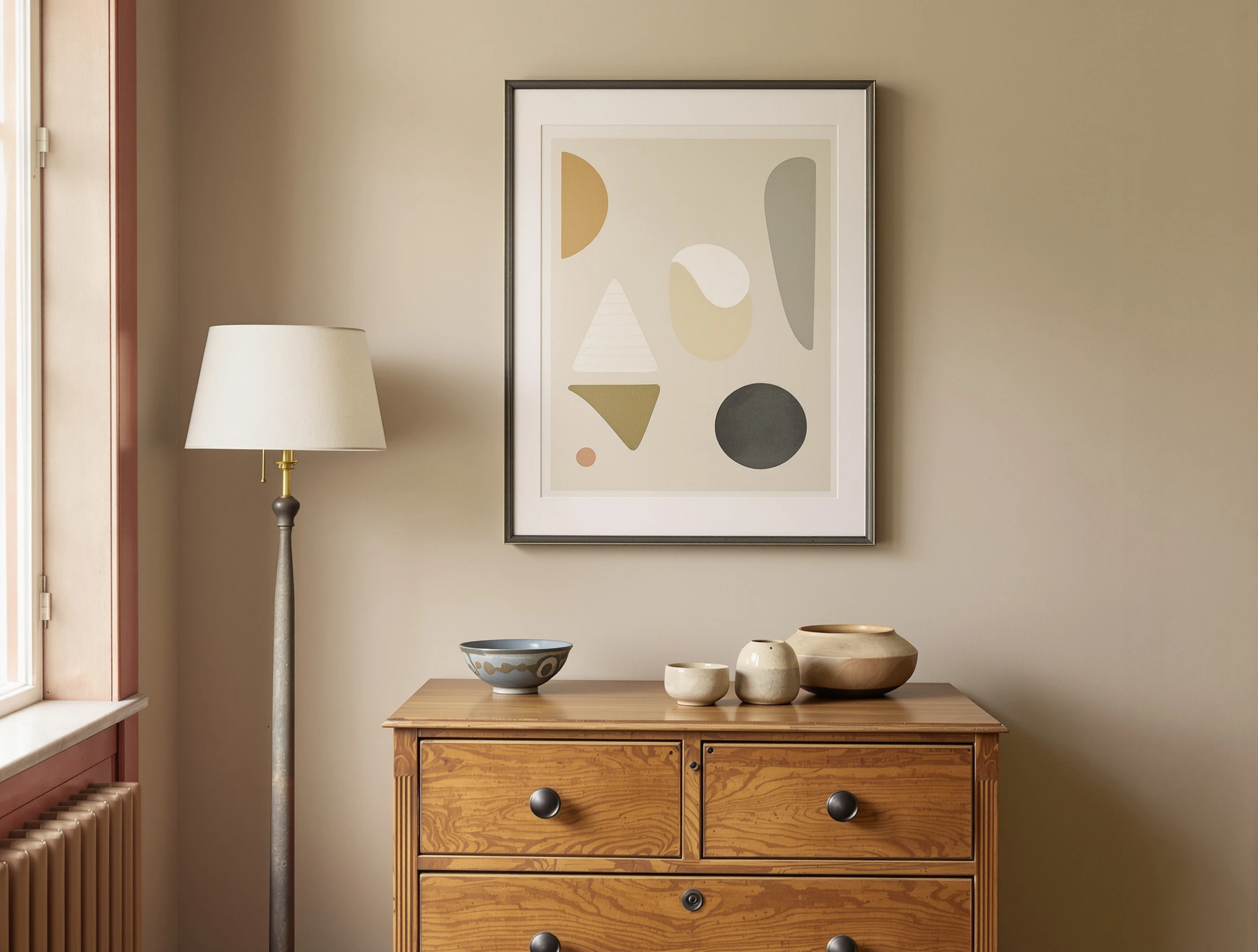
The interior design industry runs on planned obsolescence. Every season, we are bombarded with new "must-have" trends, from wavy mirrors and pastel bouclé to microcement everything. The message is clear: your home is out of style, and the only fix is to buy your way back in.
But a home is not a wardrobe. Replacing your furniture every two years is expensive, wasteful, and a fast track to a space that feels generic and temporary.
If you want a home that feels premium and stands the test of time, you have to ignore the noise and focus on what remains. Here is an honest, designer-level look at which current trends are worth your investment—and what your home actually needs instead.
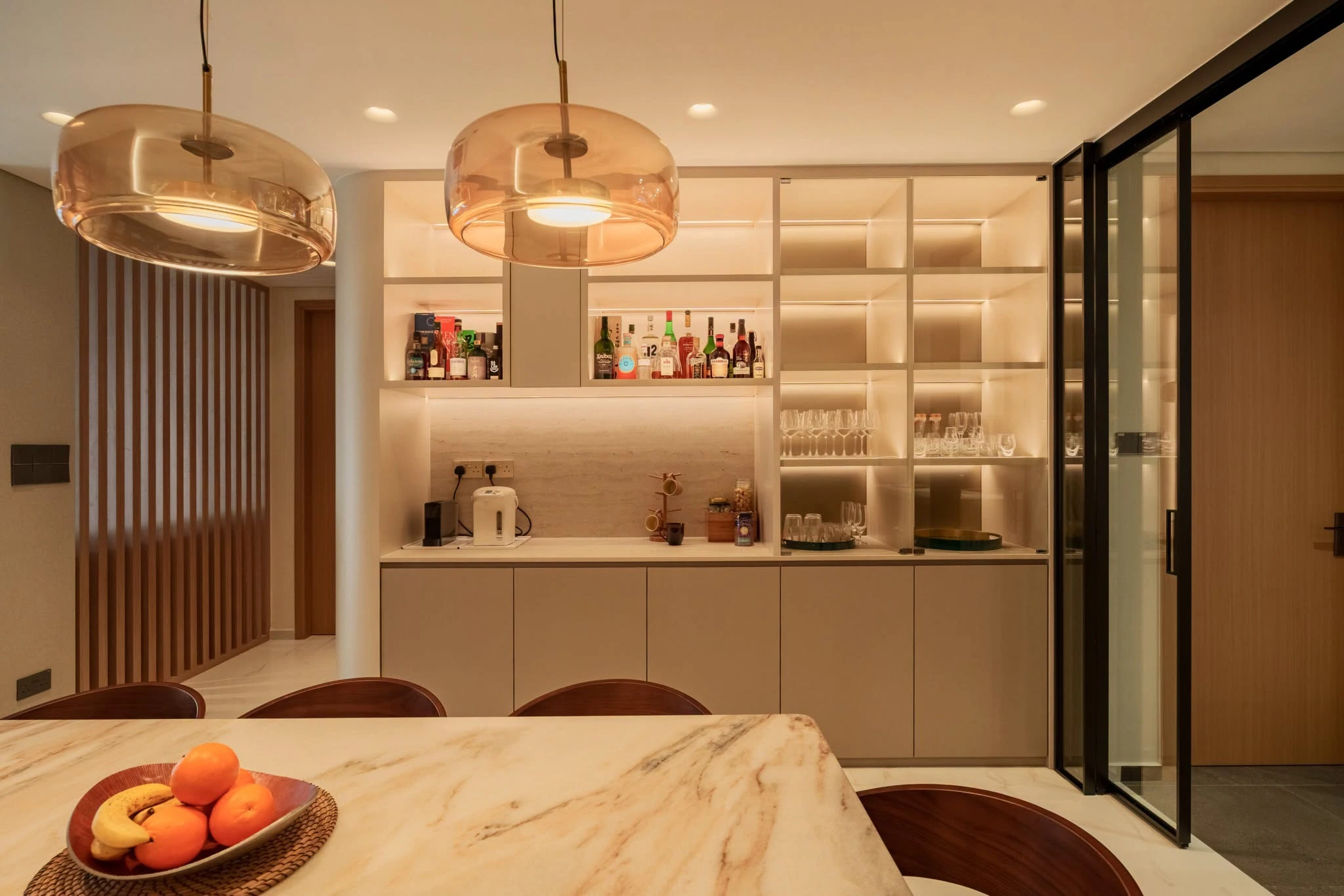
After a decade of sterile grey walls, warm earth tones have returned. Rich chocolate browns, caramels, and tobacco hues are replacing cold charcoal in high-end projects.
This shift is welcome—brown introduces instant warmth and sophistication. But do not make the mistake of painting a small, dark room in a heavy gloss espresso without understanding the lighting. Muted browns and dark neutrals need natural light to show their depth; without it, they simply collapse into flat, muddy black. Paint the room because you know what its daylight does.
Design Studio Feature
Deep brown and tobacco tones react drastically to window orientation. Predict how dark paint colors and undertones shift under natural light inside The Paint & Light Harmony Studio.
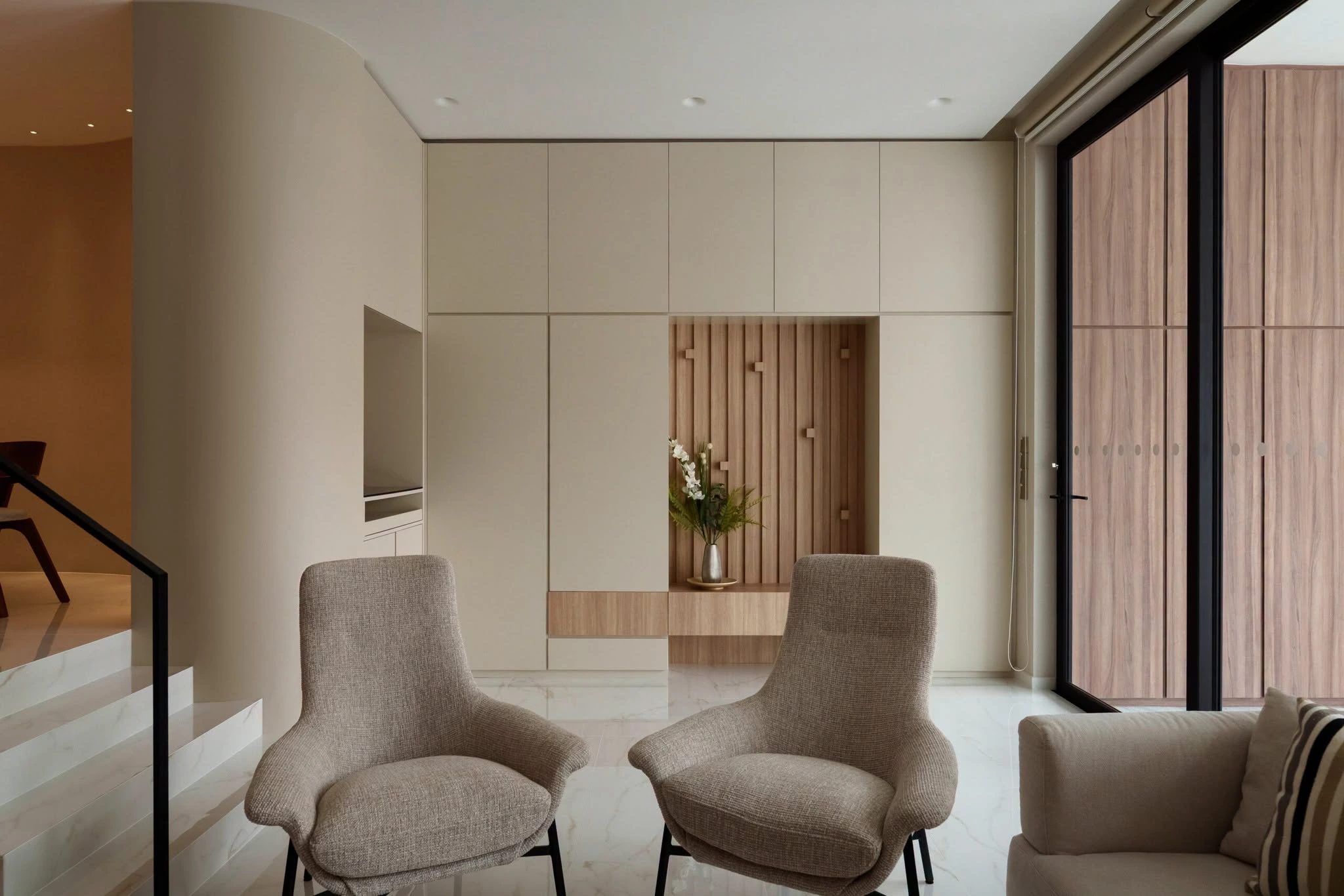
Curved sofas, rounded dining tables, and arched doorways have dominated the design feeds recently. When used correctly, curves soften the boxy, rigid angles of modern apartments, creating a gentler flow.
The mistake is introducing curves at the expense of function. A curved sofa looks stunning in a massive, open-concept living room where it can sit in the center of the space. In a standard rectangular living room, however, a curved sofa creates awkward, wasted triangular spaces behind it and restricts walkway clearances. If a piece of furniture forces you to squeeze past it, it is not design. It is expensive obstruction.
Design Studio Feature
Don't let curved furniture choke your room's flow. Map your floor footprint and verify your 36-inch circulation clearances inside The Scale & Placement Guide.
We are seeing a massive shift away from painted MDF cabinets and tables back to raw, natural timber. Dark oak, walnut, and cherry are enjoying a resurgence, celebrated for their visible grain and warmth.
This is a timeless shift. Wood ages beautifully, gathers character over time, and connects a room to the natural world. Instead of buying cheap, laminate flat-pack furniture that will end up in a landfill, look for solid wood pieces. A vintage walnut chest of drawers may cost the same as a brand-new veneer dresser, but it will last for decades and keep its value.
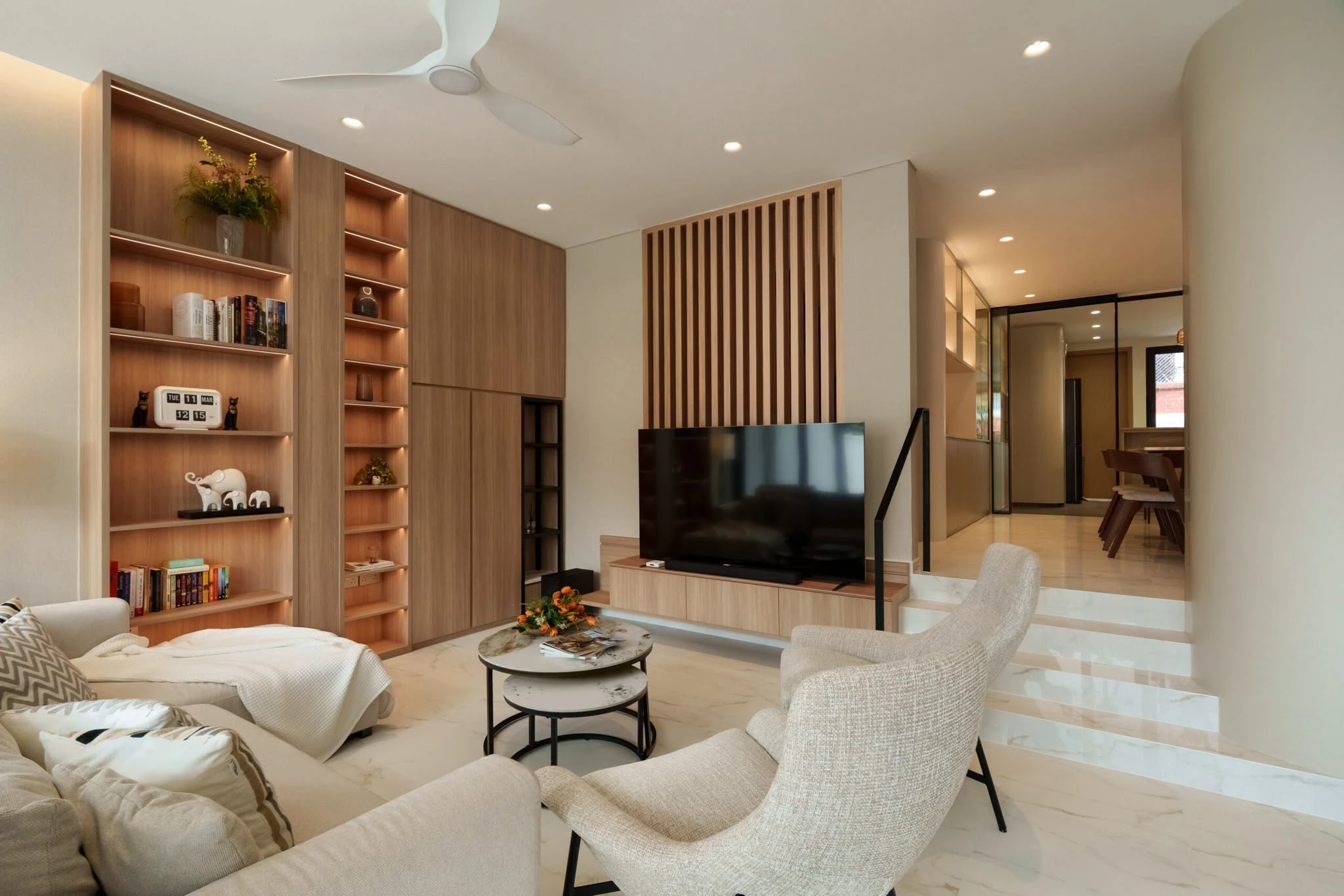
Wallpaper is no longer just for historic homes. Bold botanicals, textured grasscloths, and subtle tone-on-tone patterns are being used to give simple drywall rooms architectural interest.
Wallpaper adds instant depth, but it is not a cure-all. If your walls are uneven or have settling cracks, papering over them can highlight the issues rather than hiding them. Furthermore, wallpaper needs correct, warm lighting to prevent it from looking dated or flat. Remember that drywall flaws, badly repaired plaster, and uneven lighting will not disappear under expensive wallpaper.
Design Studio Feature
Accent walls and bold wallpapers need exact lighting warmth to pop. Calculate your target lumens and 2700K bulb distribution with The Room Ambience Planner.
The trend of relying on a grid of bright, ceiling spotlights is thankfully dying. Designers are replacing them with warm task lights, table lamps, and under-cabinet fixtures that put light exactly where it is needed.
This is a change every home should adopt. A single, harsh ceiling source flattens a room and makes it feel like an office. Layered, warm lighting (2700K or lower) creates intimate zones, shadows, and depth. It is the cheapest way to make any home feel high-end.
The ultimate trend of 2026 is the rejection of the matching look. Buying a full matching bedroom suite or living room set is a telltale sign of a space decorated in a single afternoon.
The most beautiful rooms feel collected over time. They combine old and new, raw wood and smooth lacquer, textured linen and heavy wool. When you shop secondhand, look for things with patina and weight. A room built slowly, around pieces you genuinely love rather than trends you copy, is the only room that will never go out of style.